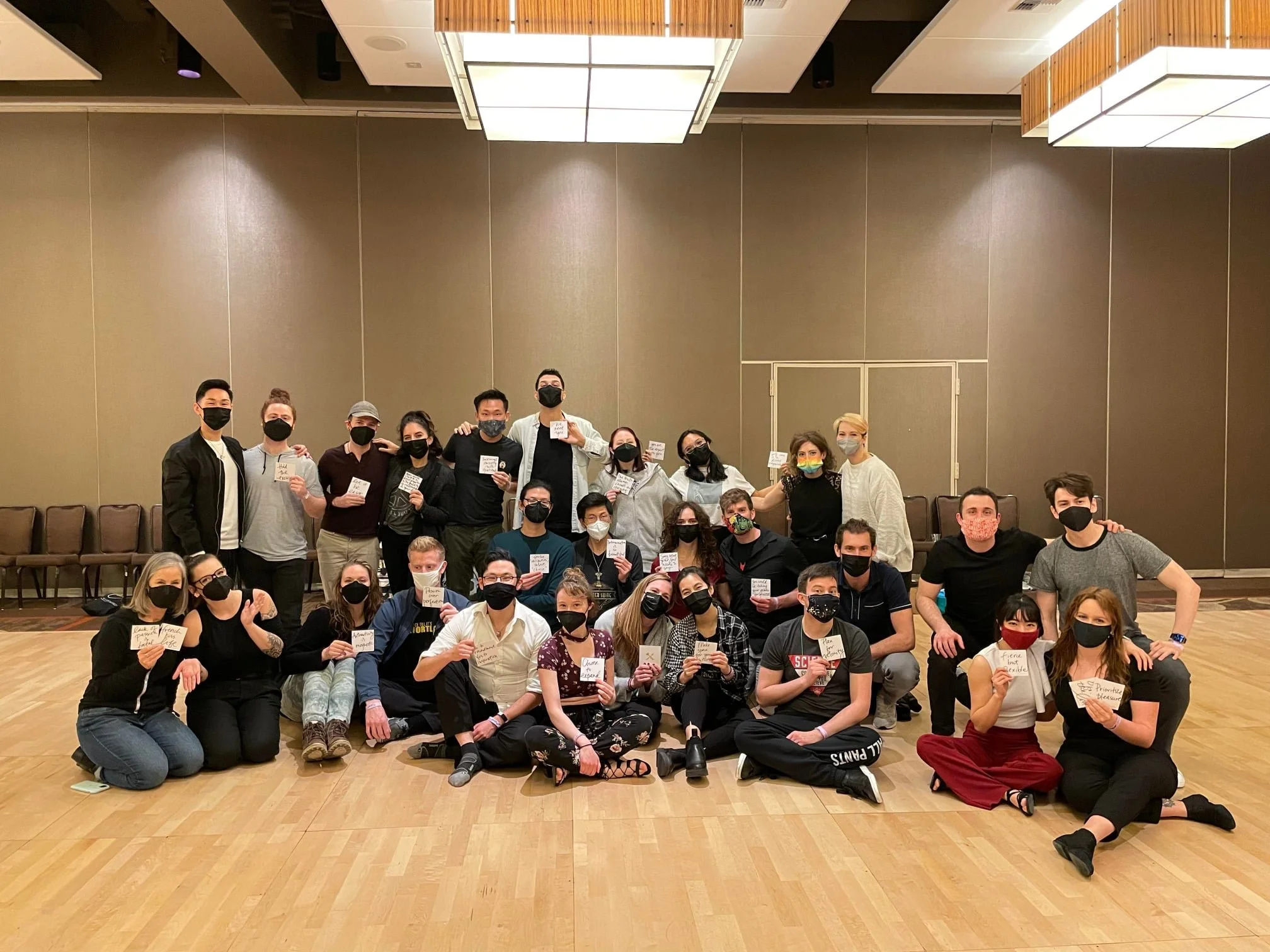
Seattle Mentorship Post-Mortem: 5/16/22
The last time I took part in the AI Program at Wild Wild Westie, I left frustrated with my experience— it wasn’t anything to do with my relationship to my mentee, but my lack of connections to the other participants in general and the dynamic created between All Star mentors.
Our first meeting that year involved mini-critiques, with mentees dancing briefly with each other in a spotlight format before their mentors came out to offer a quick thought. It turned into each successive All-Star going into more and more detailed technical explanations for what they wanted for their mentee, regardless of how productive it was for the group as a whole.
Looking back with kinder eyes, I see it now as a room full of dancers trying to prove their worth to mentors and mentees alike— it was that sense of insecurity that I wanted to lean into when I got the chance to direct a program myself. Even after you've "made it" to All-Stars, you still deal with all the same problems as someone who "made it" out of Novice.
The AI Program at Seattle exceeded my expectations, due largely to the willingness of its participants to sit in the discomfort of growth and be vulnerable with each other. I learned things about my All Star peers in their applications that I’m not sure I ever would have found out otherwise and that openness set the tone for the whole weekend.
We refocused away from spotlight critiques in favor of small breakout sessions and dancing as a whole group, while still prioritizing one on one time between mentors and mentees. While there was lots of good feedback, there are also many ways we’re already planning to further refine the process in future iterations. The AI Program will evolve with each cohort that takes part. I hope that we were able to shift the conversation of mentorship away from exclusively technical guidance and toward the common experiences we share across levels navigating the joys and disappointments of dance, competitions, and community.